


Homes (Fitness for Human Habitation) Act 2018: A tenant’s guide to housing disrepair
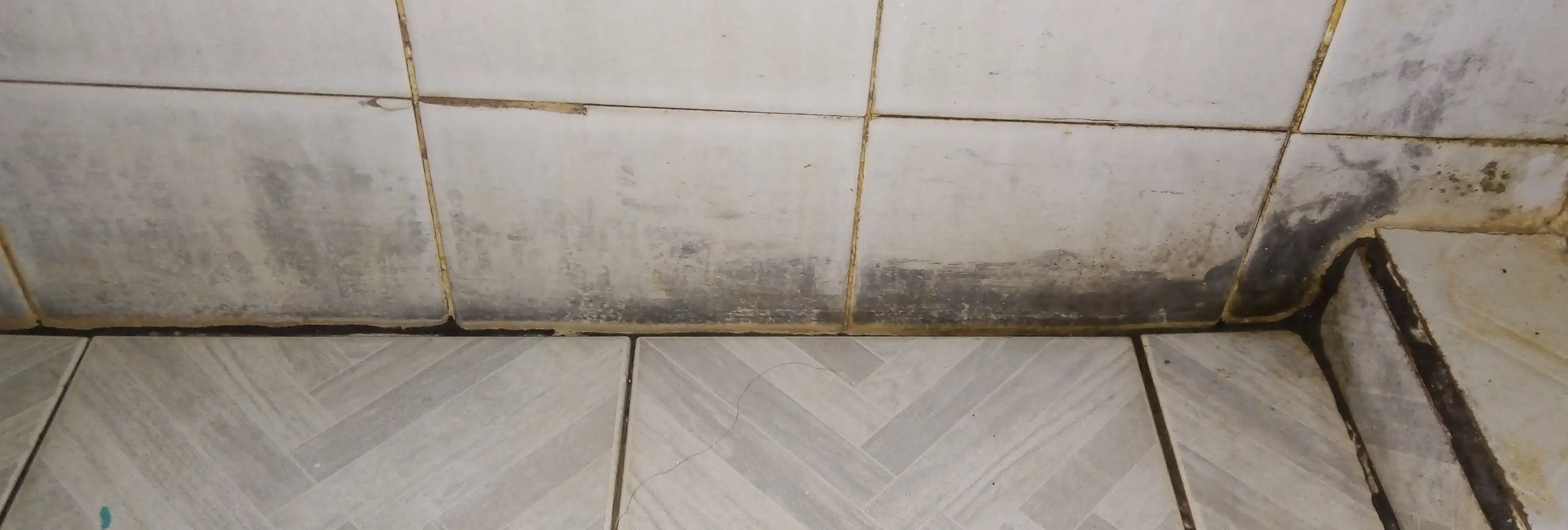
Illustrative photograph of mould in a bathroom. Image source: Wikimedia Commons (public domain).
The Homes (Fitness for Human Habitation) Act 2018 requires landlords of covered tenancies in England to ensure that homes are fit to live in at the start of the tenancy and remain so throughout.
Serious problems with damp and mould, heating, ventilation, structural stability, sanitation or drainage can make a home unfit. Not every defect meets this legal threshold: the nature and severity of the conditions matter.
What should you do?
Report problems to your landlord promptly, preferably in writing, and keep:
- Dated photographs of the affected areas.
- Copies of repair requests, correspondence and responses.
- Records of damage to belongings and any effects on your household’s health.
If there is an immediate danger, report it through your landlord’s emergency repairs service rather than waiting for an ordinary repair appointment.
What if your landlord does not act?
Your landlord will generally have a reasonable time to address problems they are responsible for, depending on the circumstances and urgency. Separate fixed deadlines apply to certain hazards in social housing under Awaab’s Law.
If your landlord fails to meet their obligations, you may be able to bring a legal claim. Depending on the case, a court can order work to make the home fit and award compensation. Government guidance on remedies and repair times.
How Arkas Law can help
Our housing disrepair team can assess your circumstances, explain your rights and advise on the options available. Contact us to discuss unresolved problems in your home.
More from the archive
All articles
Arkas Law on ITV News: huge rise in tenant complaints
16 December 2022

Start your case evaluation
Tell us about your housing problem, or call us to speak to one of our lawyers.