


Awaab’s Law: What tenants need to know about damp, mould and housing disrepair

Illustrative photograph of flats in Crawley, taken in 2011. These homes are not connected with Awaab’s case; no defects are alleged. Photo: Hassocks5489, Wikimedia Commons (CC0).
Awaab’s Law was introduced following the death of two-year-old Awaab Ishak in 2020, after prolonged exposure to mould in his family’s social housing home. It requires social landlords in England, including councils and housing associations, to investigate and address certain dangerous housing conditions within strict time limits.
What does the law cover now?
The first phase took effect on 27 October 2025. It covers emergency hazards and damp and mould that pose a significant risk to tenants’ health or safety. These requirements strengthen existing landlord obligations and aim to prevent dangerous conditions being left unresolved.
A second phase is planned for 30 November 2026, subject to parliamentary approval. It would extend the requirements to further significant hazards, including excessive cold and heat, electrical and fire risks, structural dangers, and certain risks involving falls and hygiene. These additional rules are not yet in force at the date of this article.
Awaab’s Law’s time limits do not yet apply to private rented tenancies. The government is consulting on extending the requirements to private rented accommodation in England. Private landlords already have duties to repair their properties and keep them fit to live in.
What should you do if your landlord does not act?
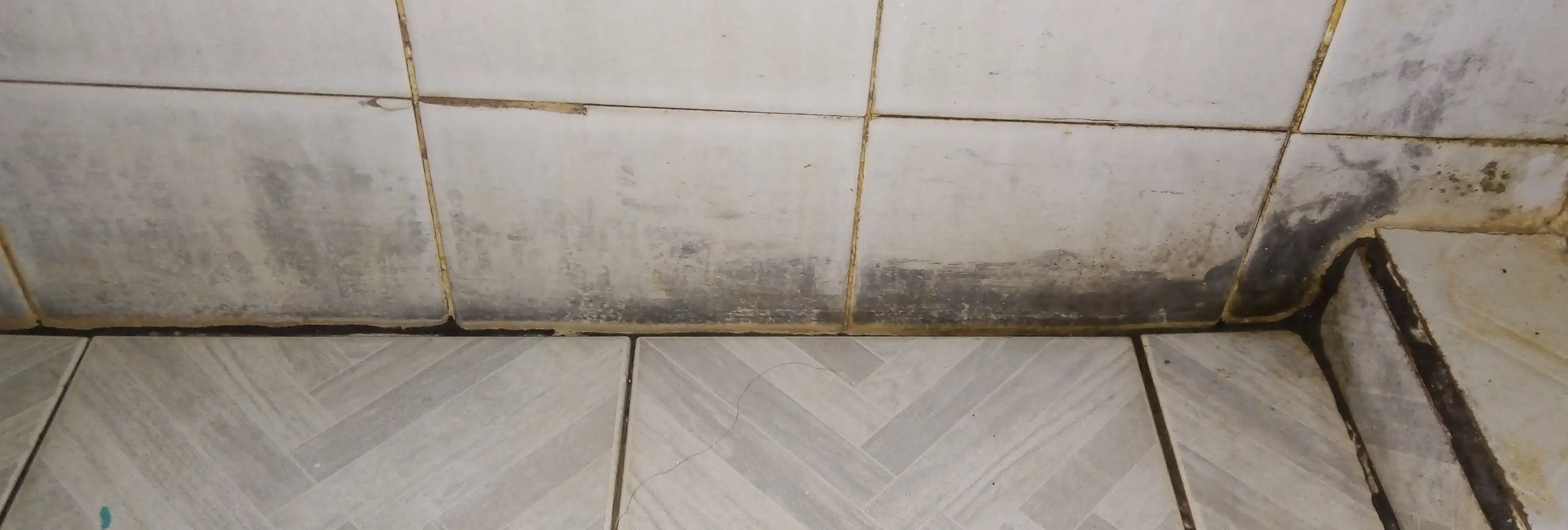
If you live in social housing and are experiencing persistent damp, mould or other serious hazards, report the problem to your landlord promptly. Keep a record of your complaints, photographs and correspondence.
If your landlord fails to meet the requirements of Awaab’s Law, you may have grounds to take legal action, depending on the circumstances.
At Arkas Law, we understand the impact housing disrepair can have on tenants and their families. Our housing disrepair team can help you understand your rights and explore the legal options available. Make an enquiry to discuss your circumstances.
For more information, see the government’s tenant guidance and announcement about the planned expansion.
More from the archive
All articles
Arkas Law on ITV News: huge rise in tenant complaints
16 December 2022

Start your case evaluation
Tell us about your housing problem, or call us to speak to one of our lawyers.