Damp and mould in your home

Damp and mould can damage your home and belongings and affect your health. We help council and housing association tenants when these problems remain unresolved.

What can cause it?

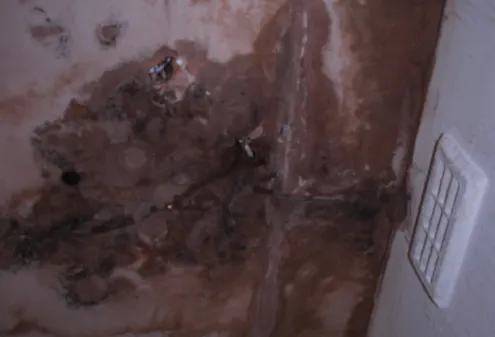
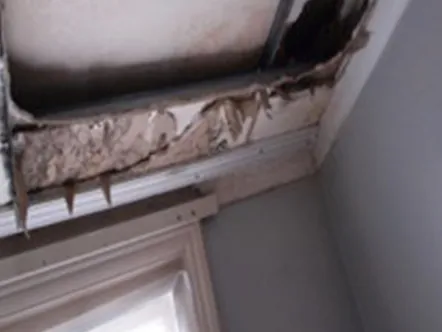
Damp and mould can develop because of rising damp, water leaks, moisture entering through damaged roofs or walls, or condensation. Inadequate ventilation, including defective extractor fans, and faulty heating can contribute to the problem.

The underlying cause needs to be investigated. Mould should not simply be attributed to how a tenant uses their home.

Signs to report

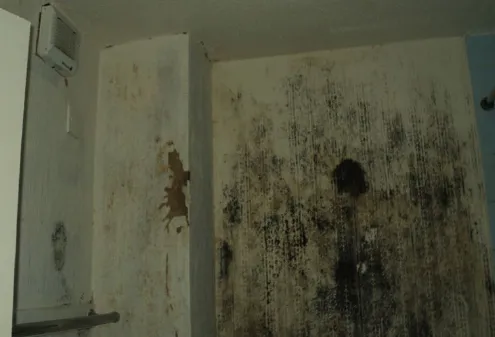
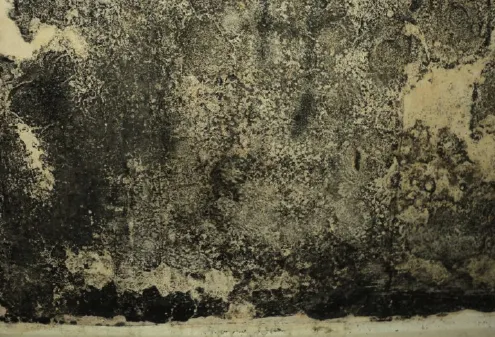
  • Mould on walls, ceilings, furniture or belongings.
  • Damp patches, staining or peeling decoration.
  • Rotting timber or window frames.
  • Mould that returns after cleaning.

Damp and mould can cause or worsen respiratory problems, including asthma. Report it to your landlord promptly and explain any concerns about its effect on your household.

How we can help

If you have reported damp or mould and the problem remains unresolved, we can explain your options and advise on seeking repairs and, where appropriate, compensation.

Get help with damp and mould

Amanda Remy: housing disrepair↑ Back to top

"I kept calling the repairs team to try to get my problems solved, but nothing was being done. Gradually, as time went on, things got worse."

Read Amanda's story

Explore our housing disrepair guides↑ Back to top

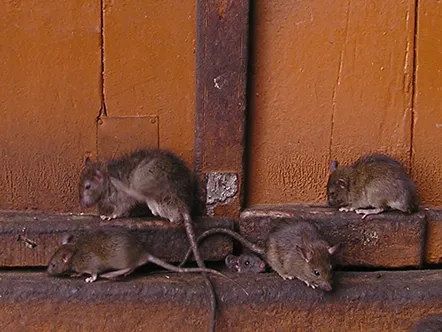
  • Pest infestation

    Help with mice, insects and other pests in your home.

  • Water leaks

    Help with leaks from pipes, roofs and other parts of your home.
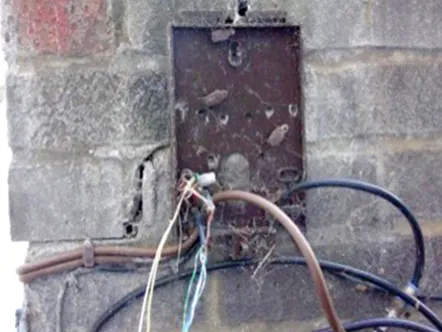
  • Electrical faults

    Help with unsafe wiring, sockets and other electrical problems.
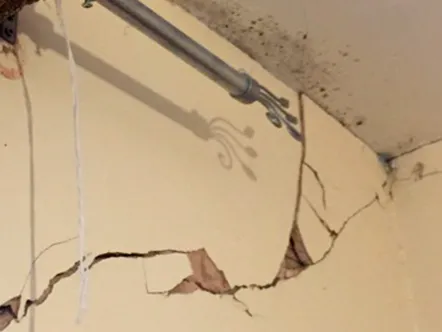
  • Structural defects

    Help with cracks and damage to walls, ceilings, roofs and floors.
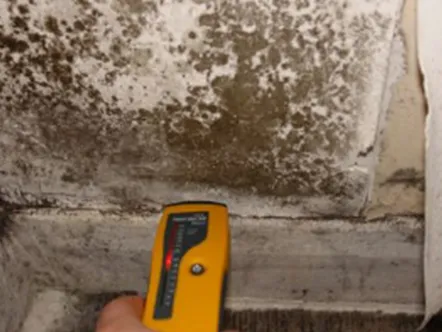
  • Mould

    Help with damp and mould affecting your home.
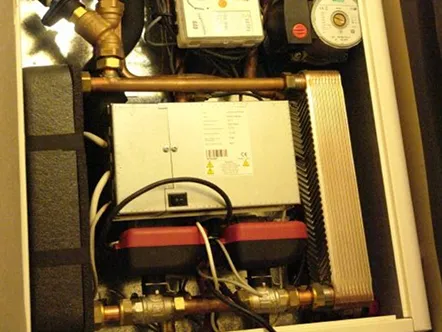
  • Heating faults

    Help with faulty boilers, heating and hot water.

Start your case evaluation

Tell us about your housing problem, or call us to speak to one of our lawyers.