

Homeless people: a priority need?
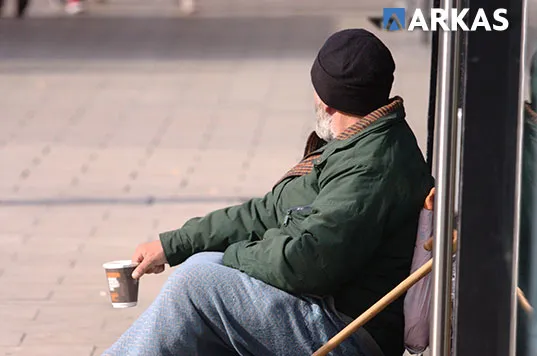
As of 13 May 2015, single homeless people no longer have to prove that they are particularly vulnerable compared with other homeless people in order to qualify for support.
The Supreme Court heard three joined appeals by homeless people (Johnson, Hotak and Kanu), supported by evidence from the charities Crisis and Shelter. In each case, the issue was the council’s decision that the homeless applicant was not vulnerable and therefore did not have a priority need for accommodation under the Housing Act 1996.
Here is a quick recap of each case.
Johnson v Solihull
Mr Johnson, a recovering addict, argued that he would be likely to relapse if homeless. In response, Solihull Metropolitan Borough Council persuaded the Court of Appeal that drug use was common among street homeless people (using figures from Homeless Link’s Survey of Needs and Provision 2010) and that the “ordinary homeless person” was likely to use, or return to, drugs. The Supreme Court found that Mr Johnson did not in fact suffer from depression, and either was not misusing drugs or that his drug problem would have no significant effect on his situation if he were made homeless.
Hotak v Southwark
Mr Hotak had learning difficulties, among other disabilities, which meant he needed his brother’s help with his daily routine. Southwark Council accepted that Mr Hotak’s disabilities would make him vulnerable, but argued that if he were street homeless his brother would continue to give him the day-to-day support and care he needed, so he would not be “less able to fend for himself than an ordinary homeless person”. Southwark was urged to reconsider its decision on the basis of the comparator.
Kanu v Southwark
Although Mr Kanu suffered from hepatitis B and hypertension, as well as psychotic symptoms and a preoccupation with suicide, Southwark Council decided these did not make him a priority because he had the help of his wife and son. The Supreme Court found that Mr Kanu had been wrongly refused help by Southwark because the wrong comparator had been used.
So, who is the comparator?
In the past, councils considered “vulnerability” using the Pereira test, which comes from a 1998 Court of Appeal decision. It asks whether an applicant is, when homeless, less able to fend for himself than an ordinary homeless person, so that injury or detriment to him will result when a less vulnerable person would be able to cope without harmful effects.
Councils also consider whether a homeless applicant or a member of their household is vulnerable because of “old age, mental illness or handicap or physical disability or other special reason” (section 189(1)(c) of the Housing Act 1996), or because they are fleeing violence or threats of violence, have been in care, or have served a period in prison.
The court ruled that vulnerability should be measured against an “ordinary person” (the comparator) if made homeless, not against statistical evidence about the characteristics of existing street homeless people. The Supreme Court has therefore lowered the bar for vulnerable people to be given priority status on the council’s housing waiting list, as their needs will now be assessed against those of an “ordinary person”. The judgment also emphasises the need to treat vulnerable homeless people as individuals, paying “close attention to the particular circumstances of the applicant” and all their difficulties.
More from the archive
All articles
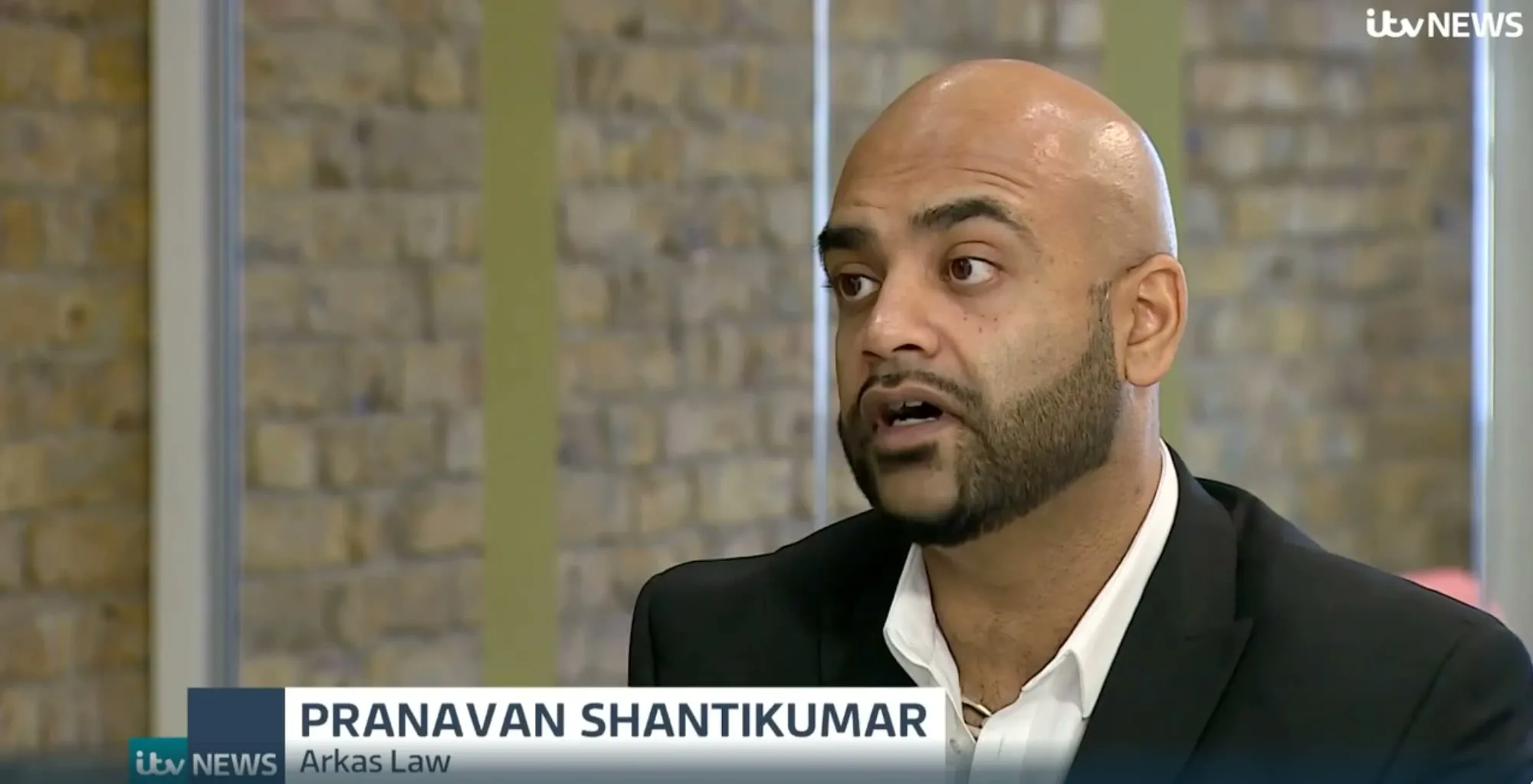
Arkas Law on ITV News: huge rise in tenant complaints
16 December 2022
Start your case evaluation
Tell us about your housing problem, or call us to speak to one of our lawyers.